Welcome
Elephant numbers alone have climbed from just 200 to nearly 1,000, and every stay here directly funds the rangers, researchers and community programmes driving that recovery.
Turismo da Gorongosa’s flagship property, Muzimu Lodge, sits on the banks of the Mussicadzi River in the park’s southern reaches, joined by the more rustic, seasonal Gorongosa Wild Camp for guests wanting a front-row seat to one of the park’s wildest corners. Unlike Mozambique’s coastal lodges, Gorongosa offers a genuine, purpose-driven bush safari experience, walking safaris with local trackers, access to park researchers, and some of the most dramatic ecological restoration work happening anywhere on the continent.
Gorongosa’s recovery is widely cited as one of the most successful large-scale ecosystem restoration projects in Africa, built on a long-term partnership between the Mozambican government and the Gorongosa Project. Elephant, buffalo and antelope populations have rebounded dramatically since the end of Mozambique’s civil war, and ongoing reintroduction efforts, including plans for rhino, continue to build toward restoring the park’s full historic wildlife diversity. For guests who want their travel to genuinely support conservation rather than simply observe it, few destinations in Southern Africa offer as direct a connection between a night’s stay and measurable restoration outcomes.
Getting there
Gorongosa National Park sits in central Mozambique, at the southern end of Africa’s Great Rift Valley, spanning floodplains, mixed woodlands, rainforest and grassland beneath Mount Gorongosa. The main gateway is Beira, Mozambique’s second-largest city, reached by daily Airlink flights from Johannesburg and regular Ethiopian Airlines service.
From Beira, the smoothest connection is a short charter flight directly into the park with Air Gorongosa, taking around 35 minutes and avoiding the rougher overland route. Self-drive within the park isn’t currently permitted for security reasons, and the road from Inchope to Gorongosa is in poor condition, so flying in is strongly recommended over the roughly four-hour drive from Beira or two-and-a-half-hour drive from Chimoio.
Where to stay
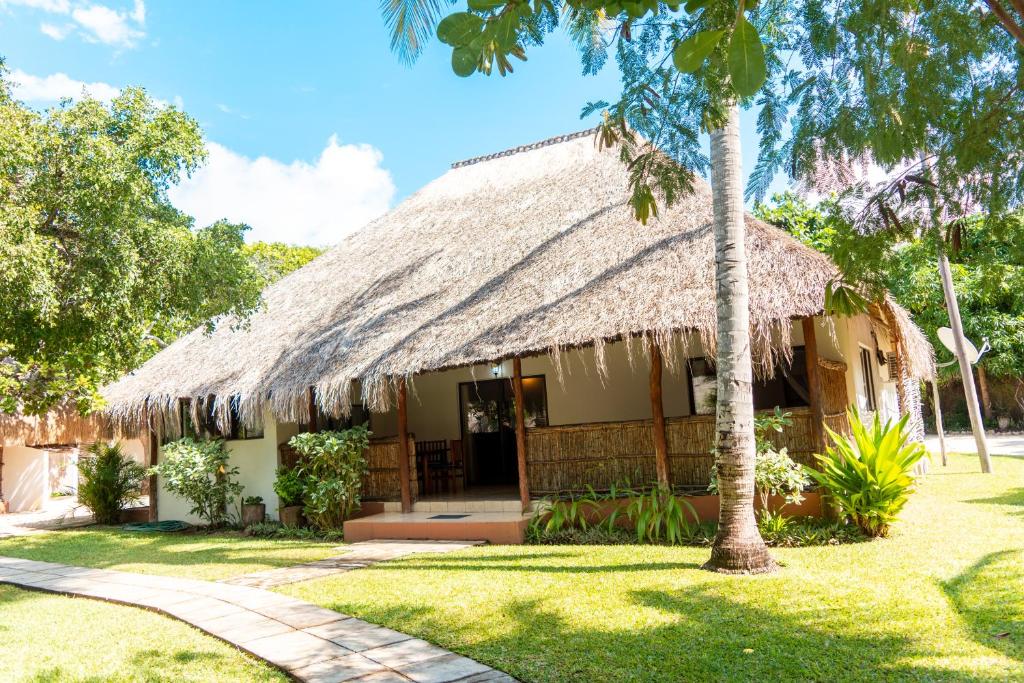
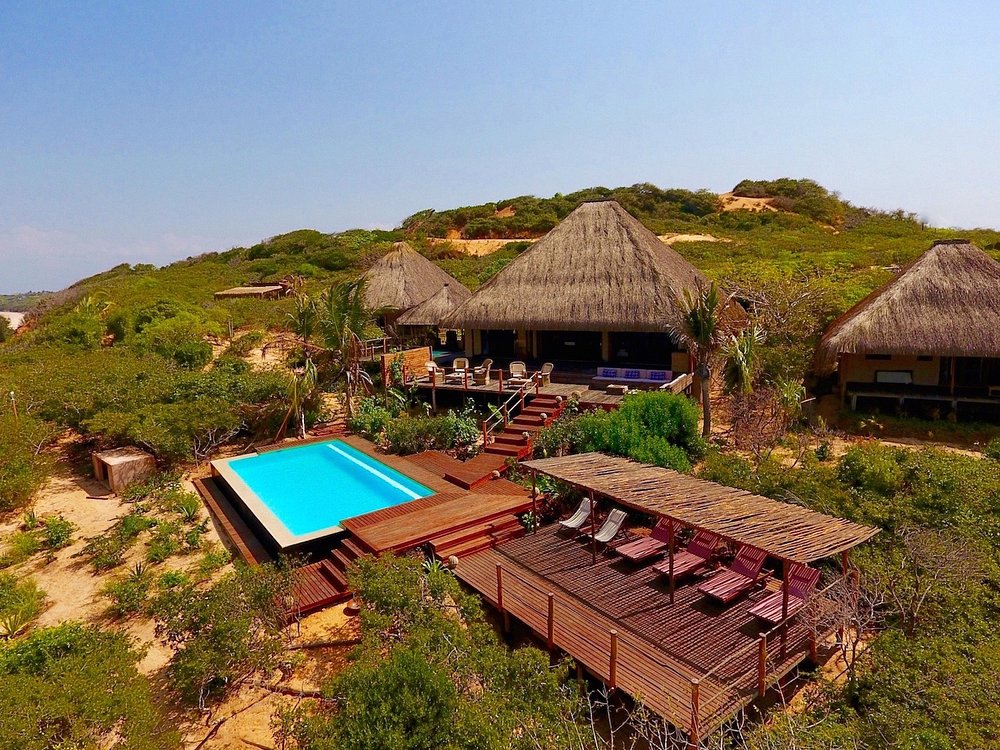
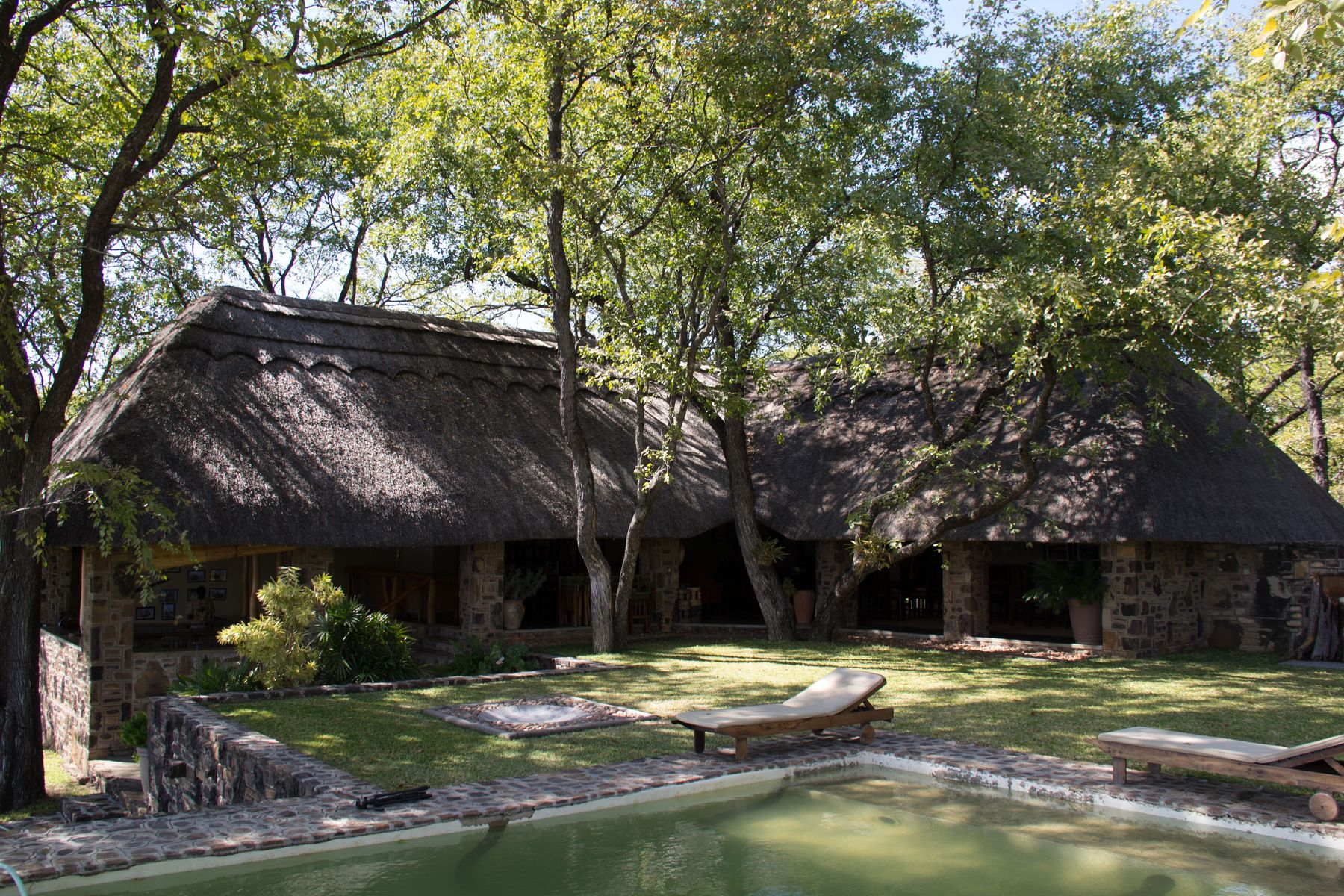
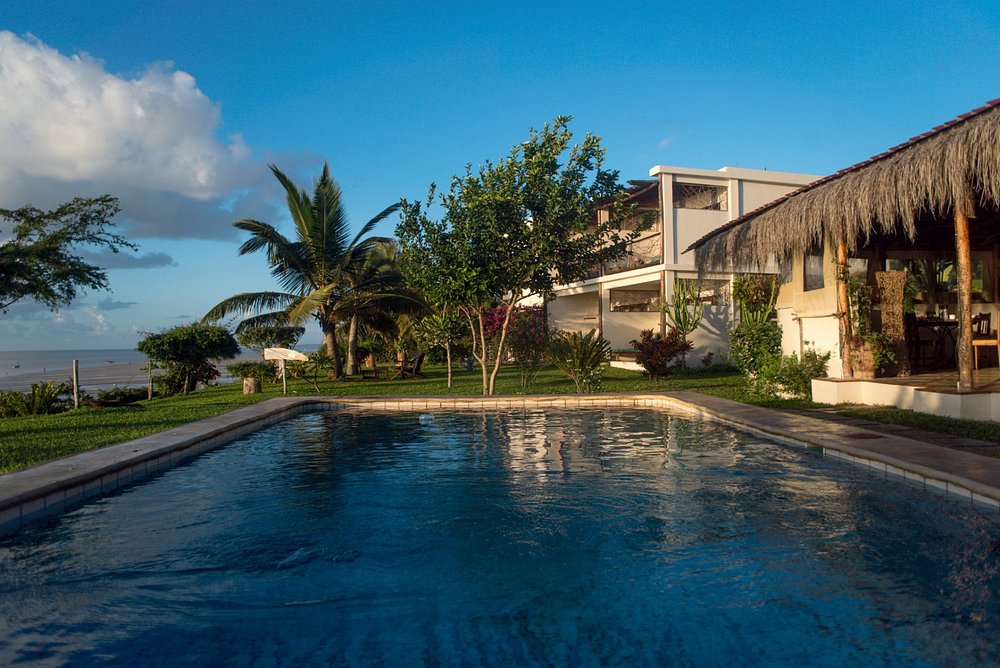
Muzimu Lodge offers six raised, East African-style canvas tented suites along a curve of the Mussicadzi River, each with a private timber deck, king-size or twin beds, en-suite bathroom and ceiling fan. The lodge runs on solar power and includes Wi-Fi, a swimming pool overlooking the river floodplains, and a dining area where meals are often served beneath genuinely dark, star-filled skies. Children aged 12 and older are welcome.
For guests wanting a more rustic, immersive alternative, the seasonal Gorongosa Wild Camp offers front-row access to one of the park’s wildest corners, typically operating outside the main wet season.
On the island
Twice-daily game drives in open 4×4 vehicles, led by experienced local guides, form the core of a Gorongosa stay, with sightings of elephant, lion, hippo and a wide range of antelope species across the park’s recovering floodplains. Walking safaris connect guests directly to the landscape, often led by trackers whose families have lived in the area for generations, and guided birding excursions cover more than 400 recorded species.
What sets Gorongosa apart from a typical safari lodge is direct access to the park’s conservation and research work, guests can visit research centres, meet with conservationists, and in some cases participate in hands-on biodiversity projects. A stay here funds real restoration work, giving the experience a sense of purpose that goes beyond a standard game-viewing itinerary.
Food and drink
Meals at Muzimu Lodge blend traditional Mozambican dishes with international cuisine, prepared by skilled chefs with a strong focus on fresh, local ingredients. Dining takes place in settings that make full use of the lodge’s river views, with bush breakfasts and fireside sundowners adding to the sense of occasion around each day’s activities.
Seasons
Muzimu Lodge is only accessible from mid-March through to December, closing during the wettest months when park roads become impassable. The dry season from roughly May to September offers the best game viewing, as thinning vegetation and animals congregating around water sources make sightings more predictable, while the shoulder months either side offer a good balance of green scenery and still-strong wildlife activity.
Perfect for
Gorongosa suits safari-minded travellers who want a genuine, purpose-driven wilderness experience with a strong conservation story, rather than a purely leisure-focused game lodge. It’s a particularly compelling choice for repeat Southern Africa visitors who’ve already done a more conventional Kruger or Sabi Sands safari and want to see one of the continent’s most remarkable ecological recovery stories first-hand.
Good to know
Gorongosa sits within a malaria area, so standard precautions and pre-travel medical advice are recommended. Guests arriving in Beira or Chimoio after 2pm generally need to overnight before transferring to the park the next morning, so it’s worth planning arrival timing carefully. Passports must have at least six months’ validity remaining, a standard requirement for entry into Mozambique.
Questions
Fly into Beira via Johannesburg, then take a short charter flight directly into the park, or arrange an overland transfer of around three to four hours (not recommended given road conditions).
Muzimu Lodge operates from mid-March through December, closing during the wettest months of the year.
Yes, a scheduled flight route now connects Gorongosa, via Beira, directly with Vilanculos, making a bush-and-beach combination straightforward to plan.
Enquire
Share this stay
Similar stays
Extend Your Journey
Book your ideal Holiday
This for is for Agents only.