Mozambique is often celebrated for its sun-kissed beaches, vibrant culture and seafood cuisine, and rightly so. But spend a little longer in the country and a quieter, less-photographed side starts to reveal itself. From an archipelago most visitors only ever see from a lodge deck, to a national park that has staged one of Africa’s most remarkable wildlife comebacks, these five destinations reward travellers willing to go slightly further off the well-worn route.
01 Bazaruto Archipelago
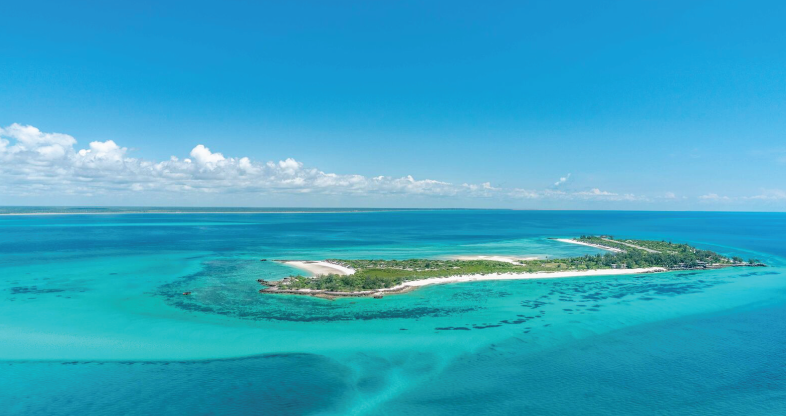
The Bazaruto Archipelago is a protected marine national park off Mozambique’s southern coast, made up of five islands, Bazaruto, Benguerra, Magaruque, Banque and Santa Carolina, each with its own character. Benguerra alone is home to some of the country’s most celebrated lodges, from design-led island retreats to genuinely secluded private-Residence properties, while Bazaruto Island itself has room for exactly one resort, giving guests who stay there an entire island’s worth of privacy rather than a shared shoreline.
Two Mile Reef, just off Benguerra, is one of the archipelago’s best-known dive and snorkel sites, and humpback whales pass through the channel between roughly July and October, adding a strong seasonal draw to an already excellent diving window from April through December. Whether the day involves a dhow sail, a sandbar picnic or simply drifting over coral in warm, clear water, this is the Mozambique most people picture when they imagine the country, just usually without quite knowing how many different ways there are to experience it.
02 Inhambane City
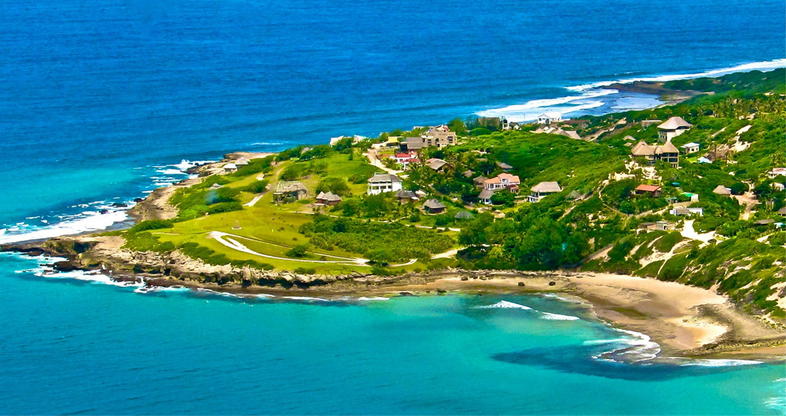
Inhambane is one of Mozambique’s oldest towns, and it shows in the best possible way, colonial-era architecture along quiet streets, a genuinely bustling central market, and a relaxed pace that rewards travellers who slow down rather than rush through. It sits close to both Barra Peninsula and Tofo, two of the country’s most reliable diving and snorkelling destinations, making it a natural base for exploring the wider region rather than a stop in its own right.
What makes Inhambane worth the detour is precisely what makes it different from the beach-lodge circuit further south, real day-to-day town life continues around visitors rather than for them. Small eateries serve genuinely local food, artisans sell handmade crafts without the polish of a tourist market, and the town’s fishing-village rhythm carries on regardless of who’s watching. It’s the kind of place best explored on foot, ideally with a local guide who can point out the details a quick drive-through would miss entirely.
03 Gorongosa National Park
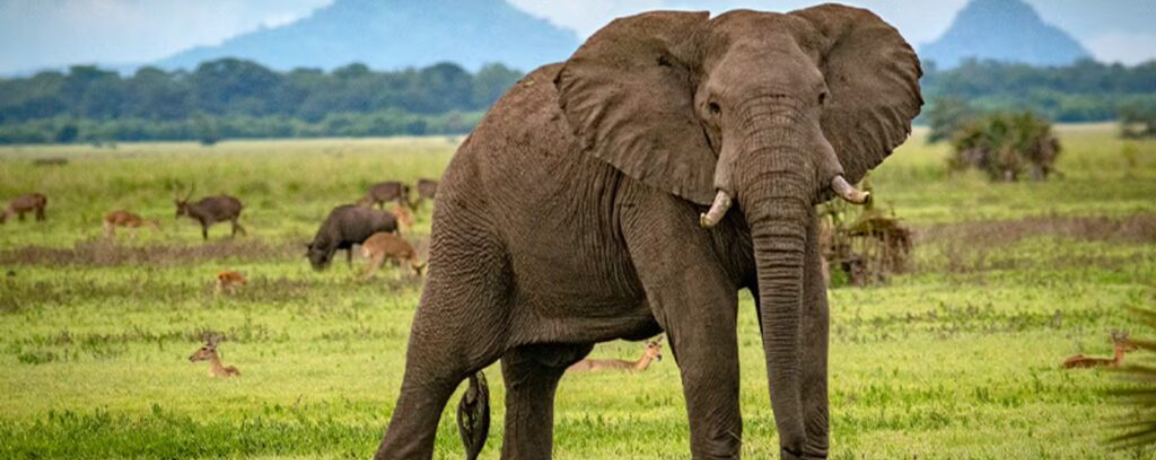
Few destinations in Southern Africa carry a conservation story as remarkable as Gorongosa’s. This 4,000-square-kilometre wilderness in central Mozambique saw its wildlife populations collapse by roughly 90% during the country’s civil war. Today, the park is home to more than 110,000 wild animals, with elephant numbers alone climbing from around 200 to nearly 1,000. Every stay at the park’s flagship Muzimu Lodge, set on the banks of the Mussicadzi River, directly funds the rangers, researchers and community programmes driving that recovery.
“A stay here funds real restoration work, giving the experience a sense of purpose that goes beyond a standard game-viewing itinerary.”
Few destinations in Southern Africa carry a conservation story as remarkable as Gorongosa’s. This 4,000-square-kilometre wilderness in central Mozambique saw its wildlife populations collapse by roughly 90% during the country’s civil war. Today, the park is home to more than 110,000 wild animals, with elephant numbers alone climbing from around 200 to nearly 1,000. Every stay at the park’s flagship Muzimu Lodge, set on the banks of the Mussicadzi River, directly funds the rangers, researchers and community programmes driving that recovery.
04 Quirimbas Islands
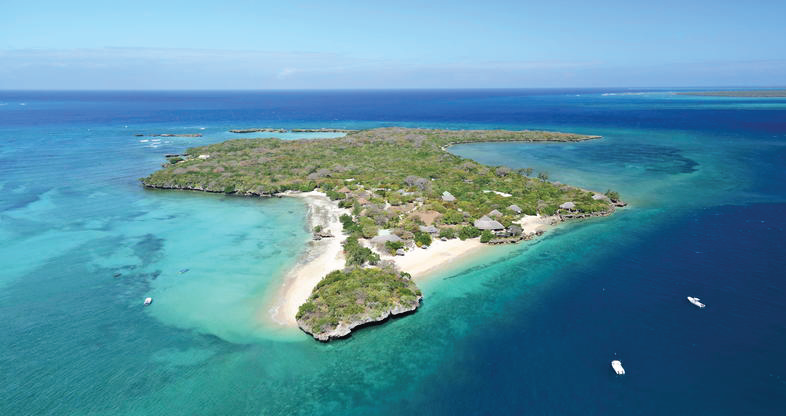
North of the more familiar Bazaruto and Vilanculos circuit, the Quirimbas Archipelago remains one of the least-visited stretches of coastline in the country, a chain of islands with powdery sand, turquoise water and coral reef systems that see a fraction of the visitor numbers further south. For travellers who specifically want tranquillity over convenience, this is where to find it.
Whether the appeal is snorkelling over largely undisturbed reef, sailing between islands, or simply the sense of having a stretch of coastline genuinely to yourself, the Quirimbas trade a little accessibility for a great deal of seclusion, a fair exchange for the right kind of traveller.
05 Ponta do Ouro
Mozambique’s southernmost coastal stretch, close to the South African border, is a genuinely different pace of destination, dolphin encounters, scuba diving and a lively nightlife scene sit alongside long, uncrowded beaches and some of the country’s most reliable self-drive access for South African travellers. Nearby Ponta Malongane has become one of Mozambique’s premier paragliding destinations, with two launch sites and a prime flying season running from January to May.
It’s also a strong base for dolphin and whale watching directly from the shore, particularly through the warmer months when sightings in the bay are at their most frequent. For travellers combining a Mozambique escape with a KwaZulu-Natal road trip, or simply looking for a lively, easily reached stretch of coast, Ponta do Ouro delivers both adventure and genuine relaxation without needing to fly.

 barra-beach-club-arial-view
 Gorongosa-National-Park
 Bazaruto-Archipelago
 Quirimbas-Islands